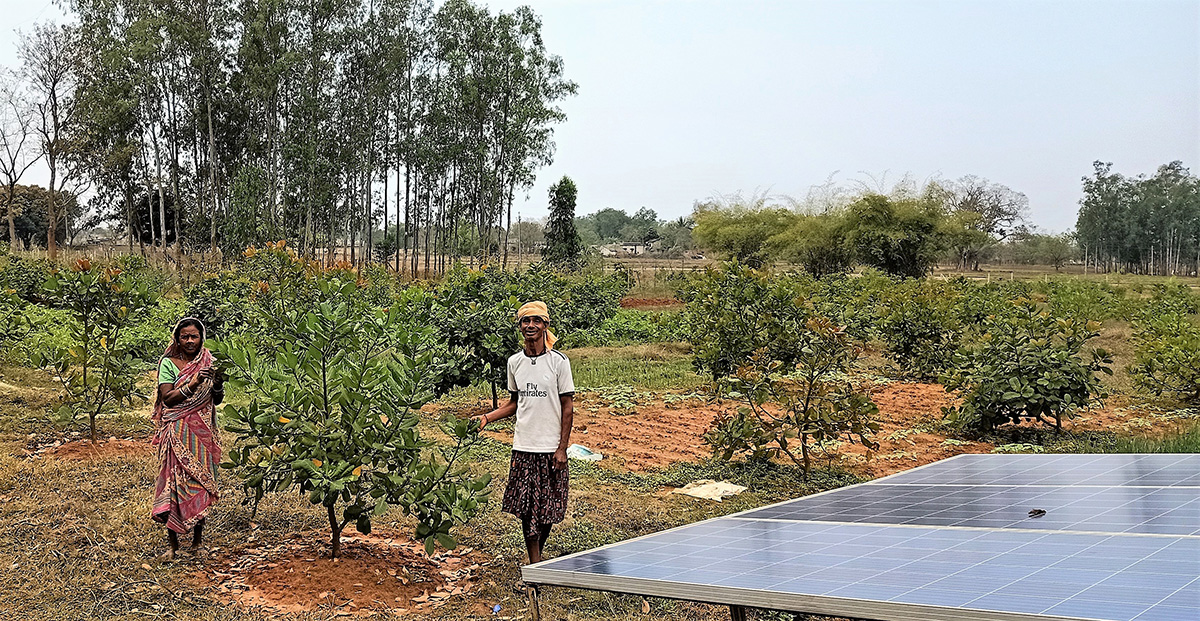
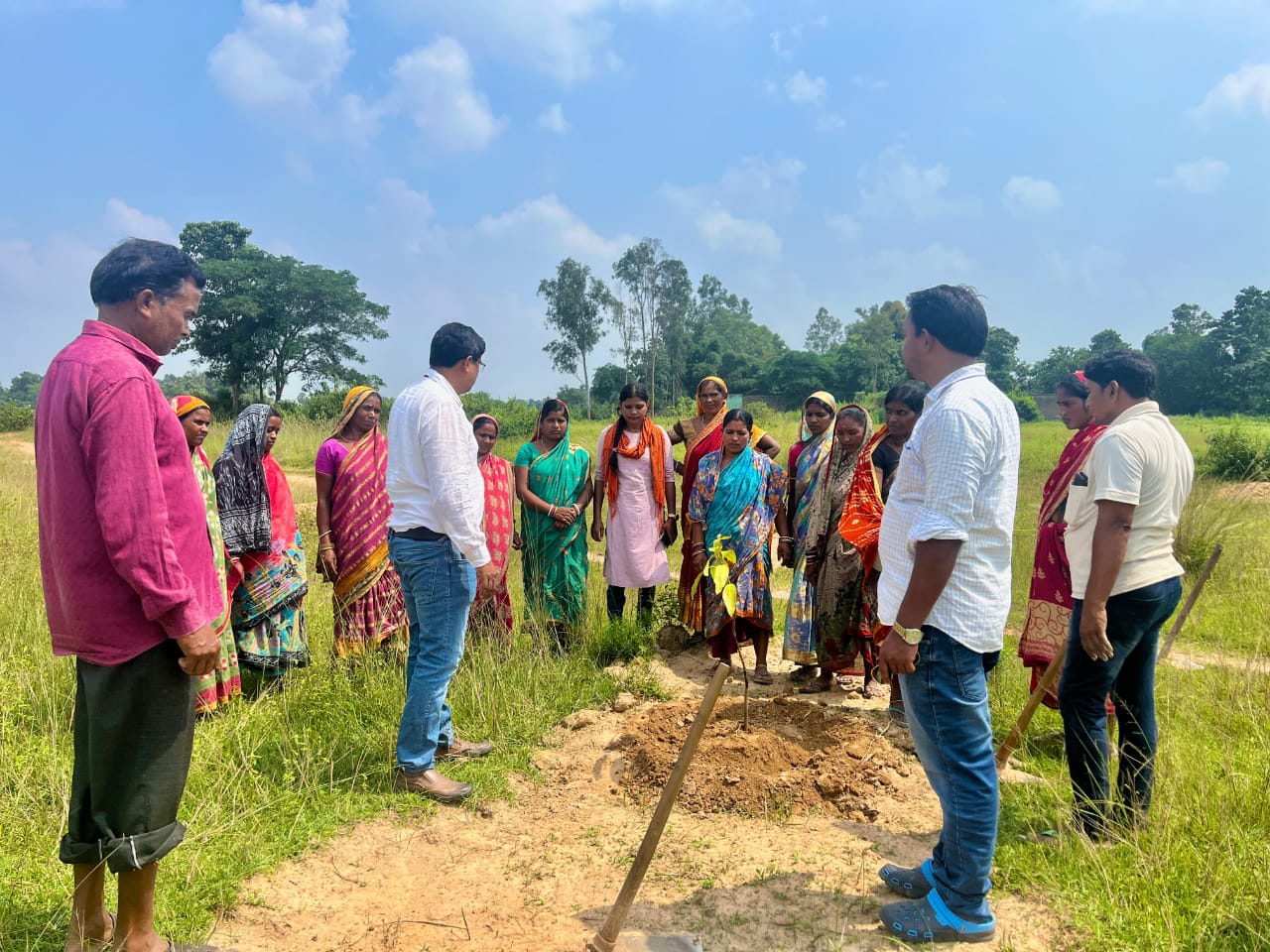
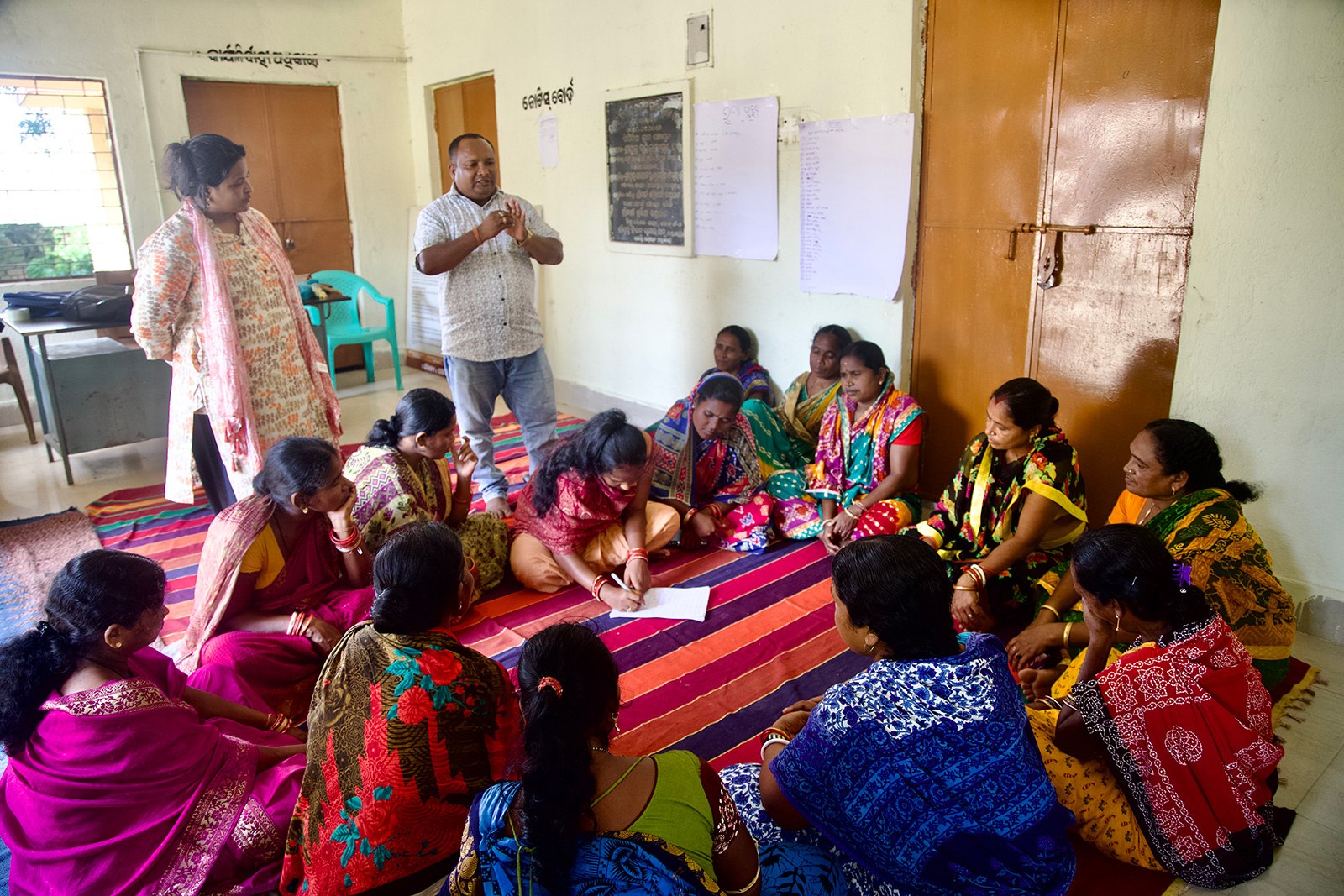
From 2009 onwards, WOSCA implemented the WADI program across Keonjhar and Sundargarh districts, transforming 1,618.74 hectares of degraded tribal land into productive orchards and diversified farms.
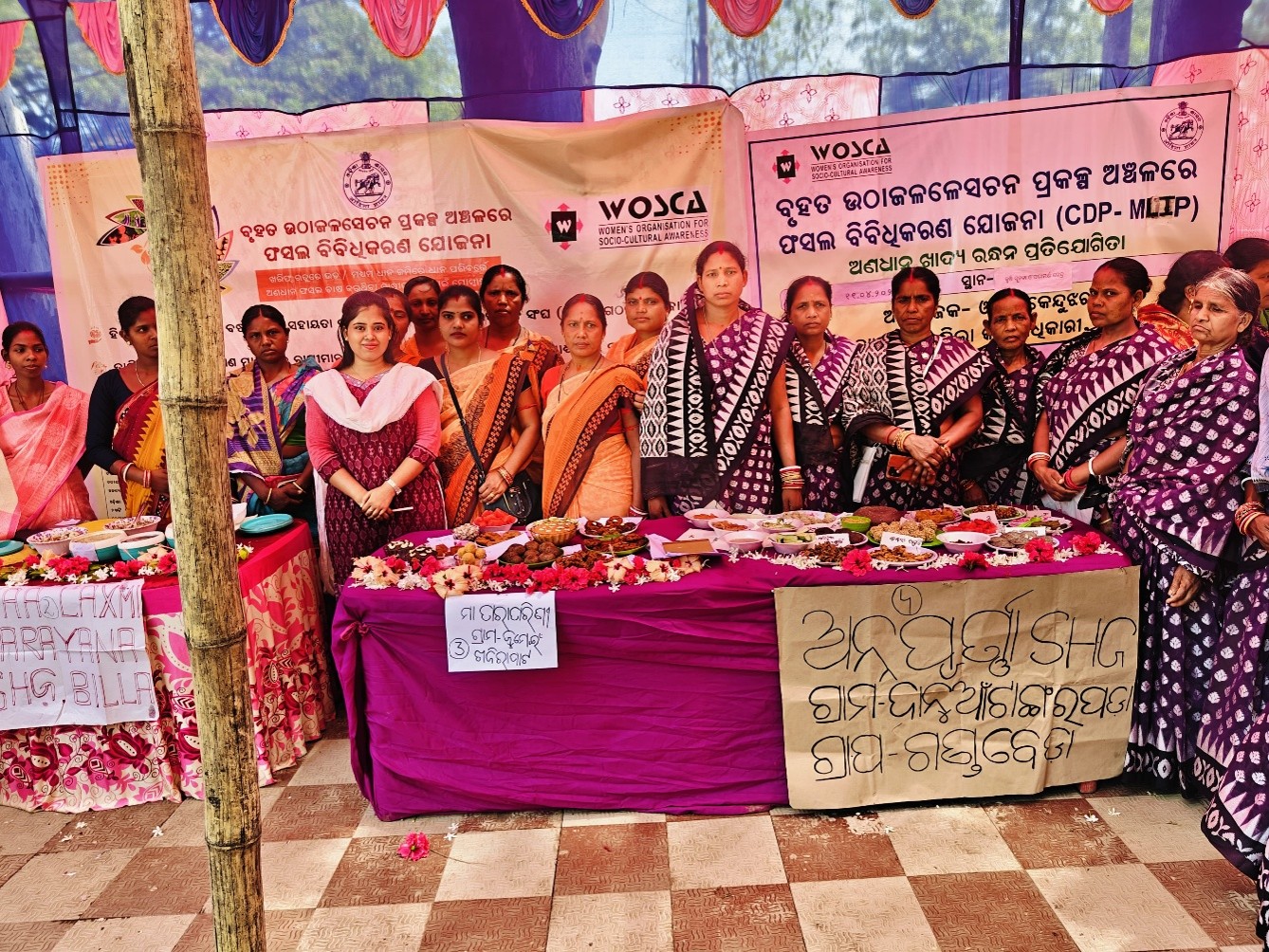
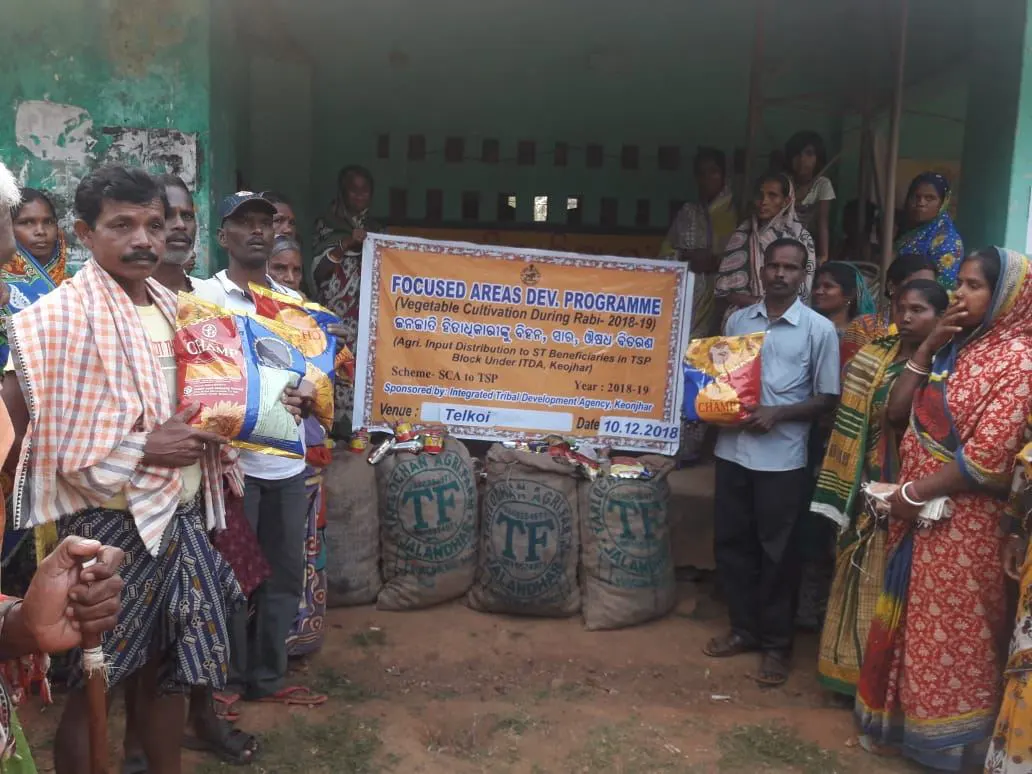
The initiative supported families in planting mango, cashew, and pomegranate trees, while promoting intercropping with pulses, vegetables, and millets to ensure food security and income stability. The program also invested in dug wells, bore wells, drip irrigation, lift irrigation patches, pump sets, greenhouses, and solar lights, making water and energy more accessible to tribal households. Alongside farming, WOSCA strengthened women’s self‑help groups, introduced poultry and livestock rearing, and trained families in digital literacy, health, and sanitation, connecting them to government schemes for holistic development. By the end of the program, tribal households had doubled their earnings, diversified their livelihoods, and built stronger community institutions. WADI became a model of climate‑resilient agriculture and sustainable rural development, leaving behind empowered families and greener landscapes across Odisha