
Women’s organisation for Socio-Cultural Awareness (WOSCA)
Organizing smallholders into production clusters, WOSCA strengthens agriculture by improving productivity, building collective power, and linking farmers directly to fair markets.
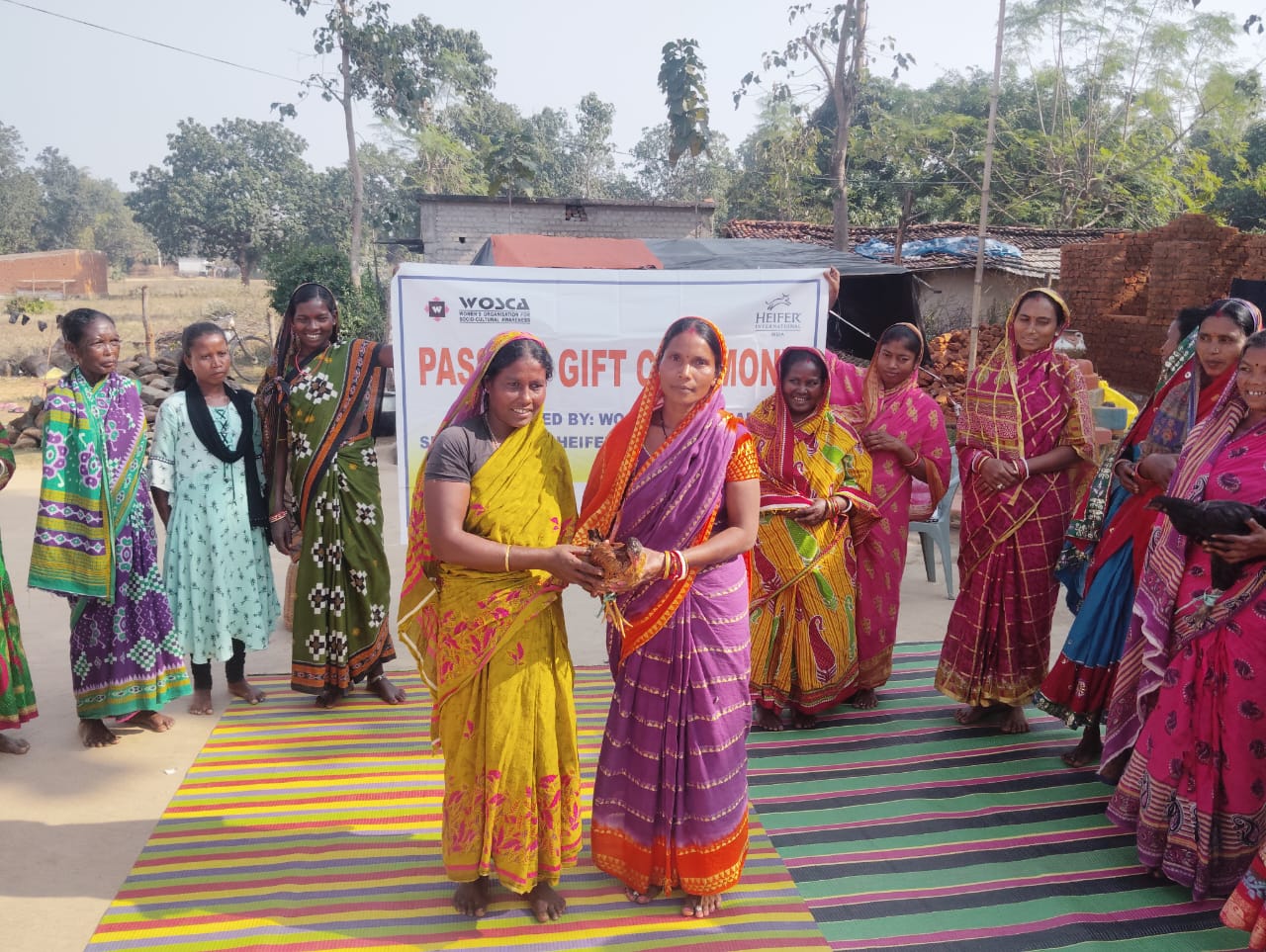
WOSCA’s flagship agricultural livelihood initiative in two districts of Odisha has built market‑linked incomes for 12,089 rural women, many from tribal and marginalized communities. Grounded in community ownership and agro‑ecological practices, the project promotes synchronized crop planning, collective input access, and structured production systems. With technical guidance from the District Horticulture Department and financial support from the District Mineral Foundation (DMF), women organized into Producer Groups have created a resilient ecosystem that shifts smallholder farming from subsistence to coordinated enterprise.
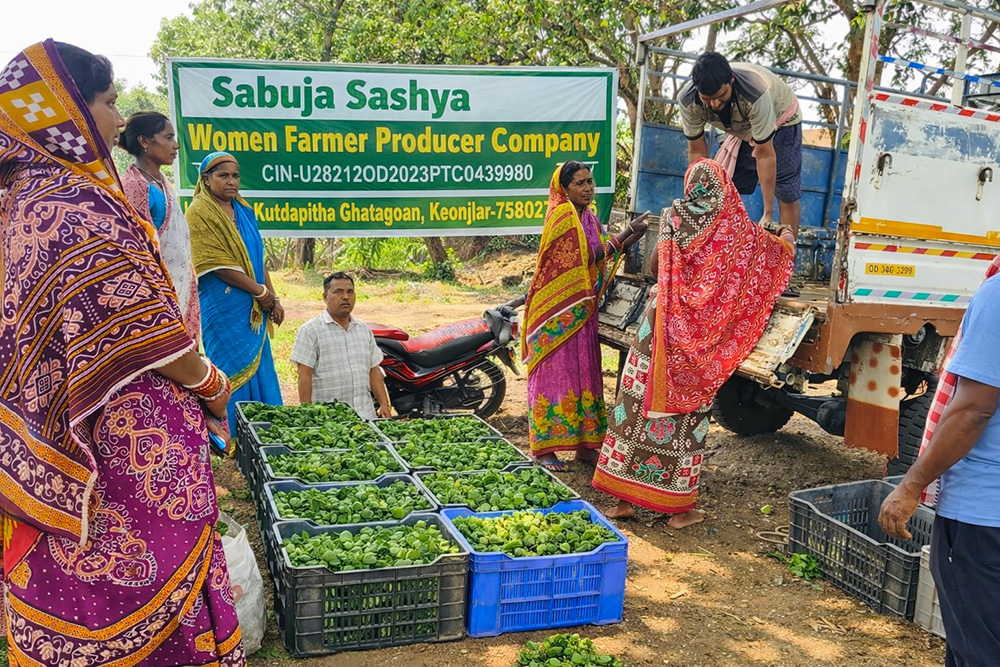
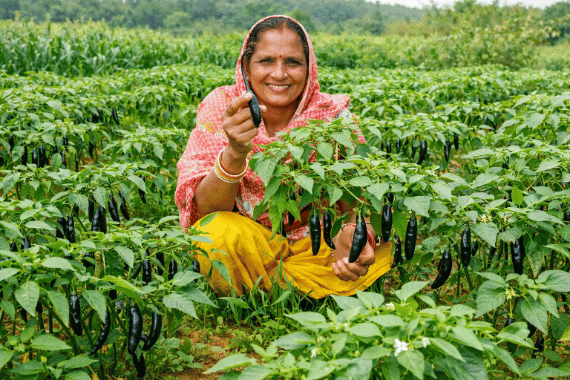
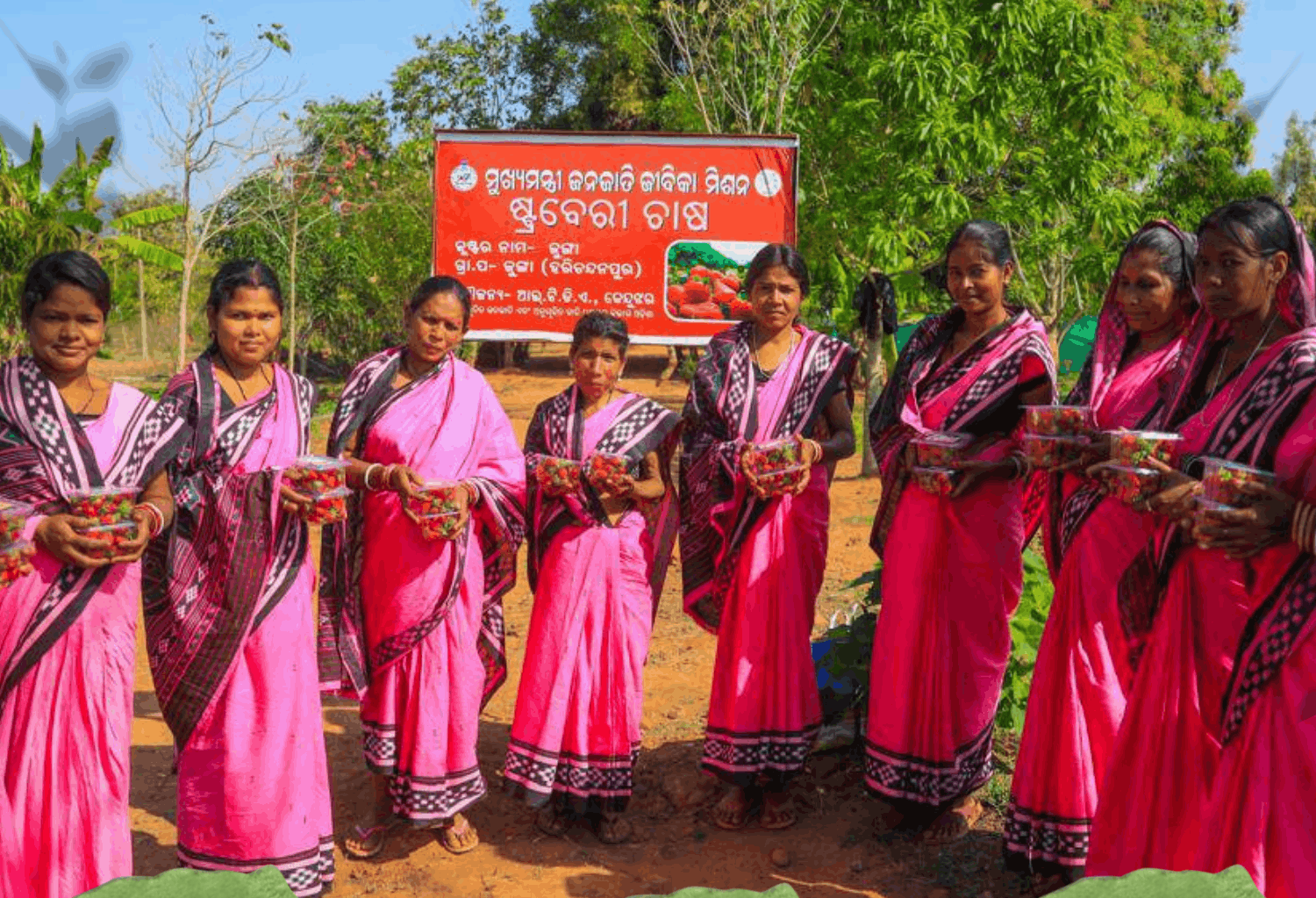
Farmers diversified their cropping patterns to balance nutrition, food security, and ecological resilience. Vegetables were cultivated on 5,307 acres by 6,970 households, oilseeds and pulses on 1,077 acres by 1,512 households, and fruit trees on 302 acres by 302 households. These synchronized efforts, reinforced by horticulture expertise and DMF investments, ensured production aligned with seasonal suitability and household capacity. Communities also mobilized significant capital—₹889.41 lakhs for irrigation, ₹1,086.4 lakhs for farm mechanization, ₹360.22 lakhs for goat and backyard poultry, and ₹18 lakhs for aggregation and storage—reducing risks, cutting post‑harvest losses, and strengthening market readiness.
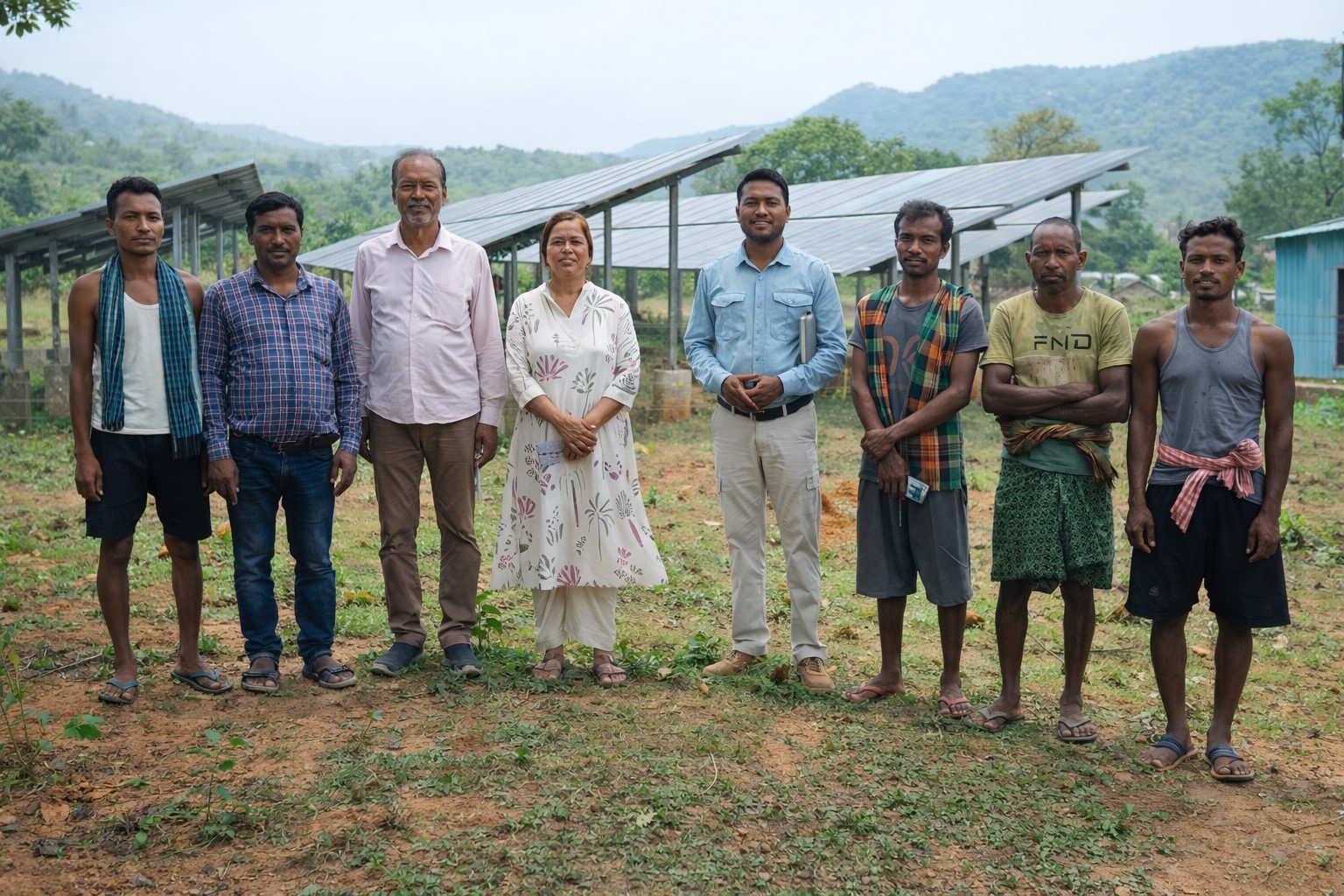
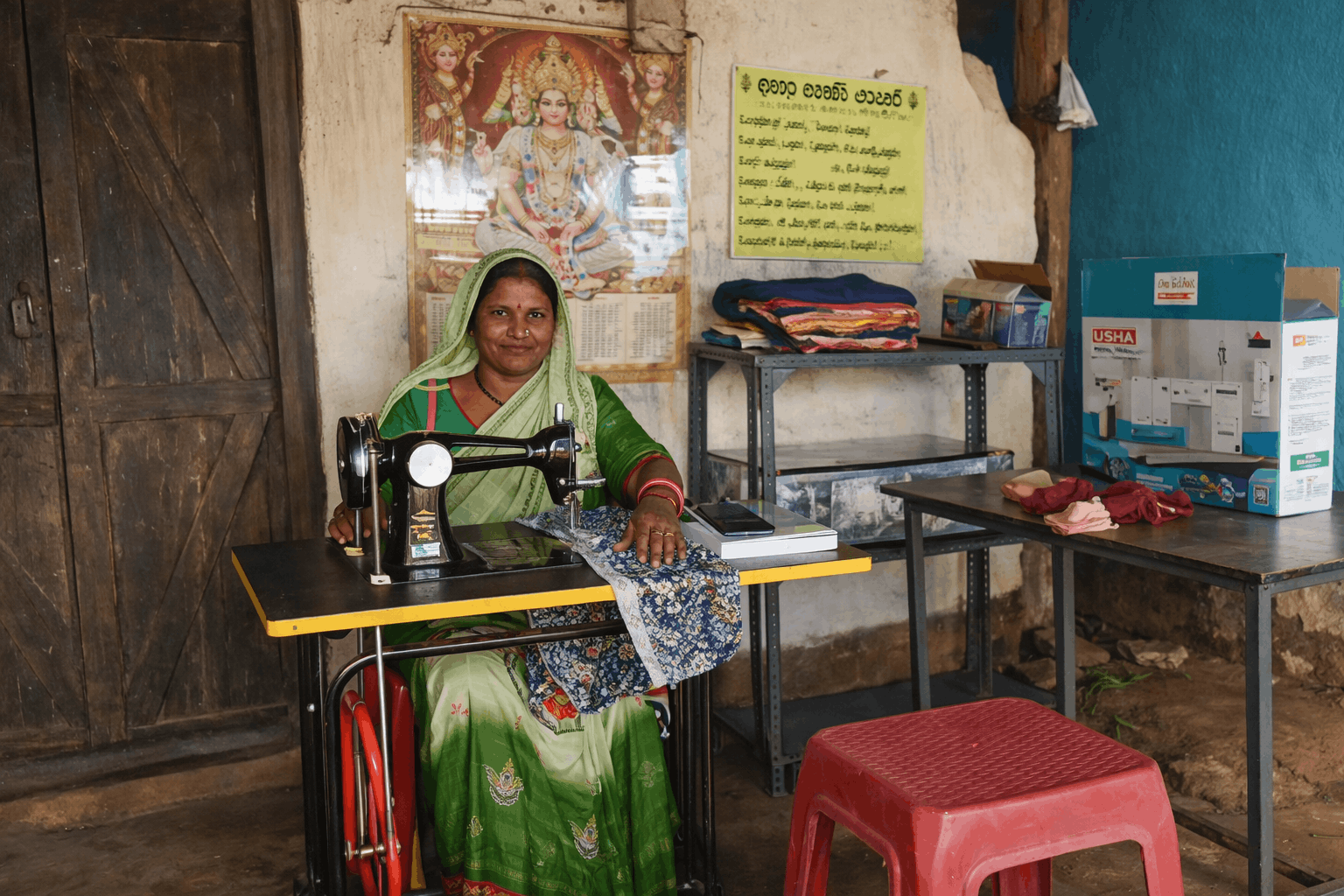
The APC model demonstrates how convergence between community institutions, government departments, and DMF financing can transform rural economies. By combining agro‑ecological practices with structured production and market access, the project has stabilized incomes, expanded opportunities, and elevated women’s role in governance. It continues to evolve as a community‑led framework for dignity, equity, and sustainable growth, laying the foundation for resilient farming systems and empowered rural communities.