
Women’s organisation for Socio-Cultural Awareness (WOSCA)
Empowering 18,000+ Tribal Farmers through Cultivation, Enterprise, and Mechanization.
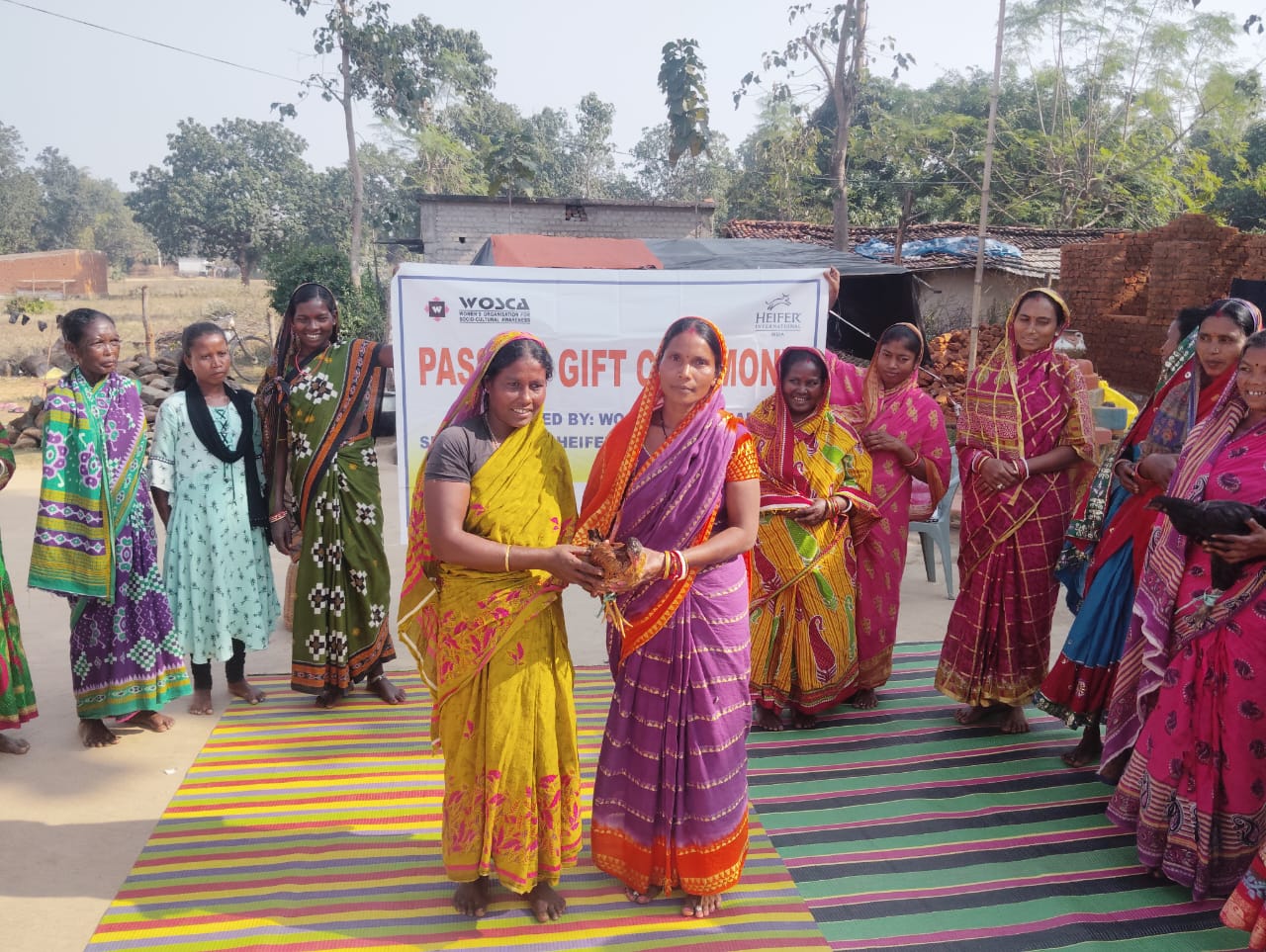
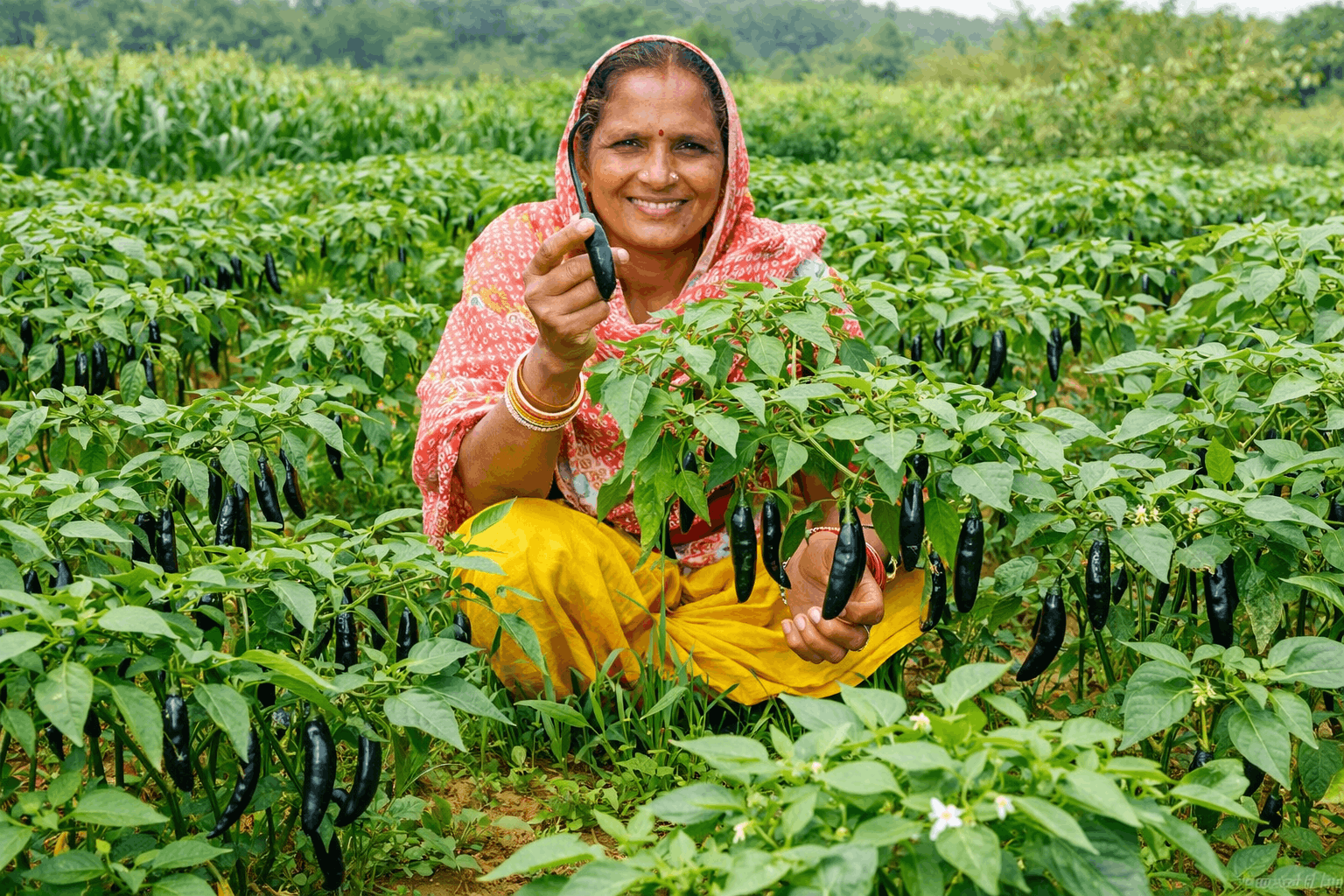
The Mukhya Mantri Janajati Jeevika Mission (MMJJM), now in its second year, has become a transformative force in Keonjhar’s tribal blocks. Anchored in participatory governance, convergence, and livelihood dignity, the mission—facilitated by WOSCA—works across 10 blocks to strengthen tribal economies through three pillars: agro-based livelihoods, youth-led micro-enterprises, and farm mechanization.
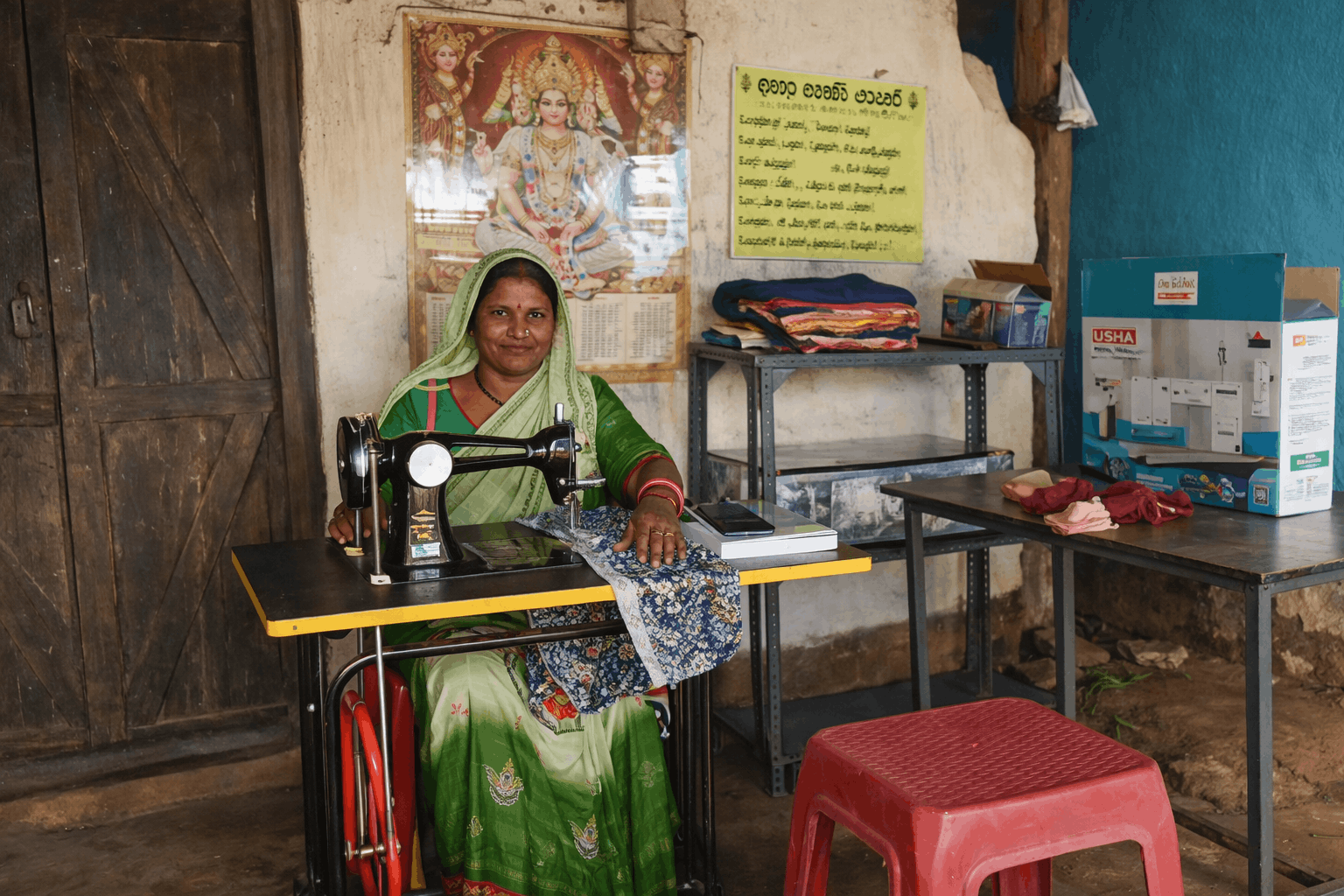
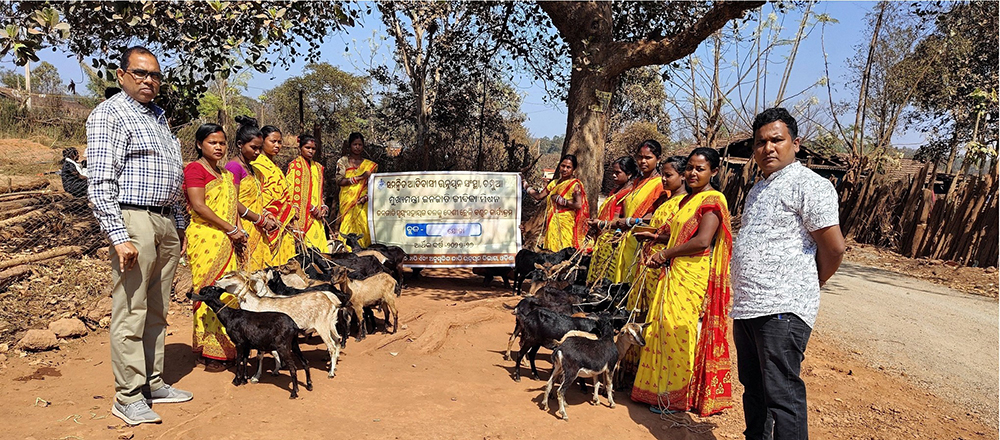
Across the region, 8,850+ acres have been brought under diverse, climate-resilient crops, engaging 18,000+ farmers in sustainable cultivation practices. Under the TYME initiative, 487 tribal youth and women have launched micro-enterprises ranging from nurseries, tailoring units, and DTP centers to rice hullers, agarbatti production, goat rearing, and rural transport.
Champua and Patna have emerged as vibrant enterprise hubs, showcasing the potential of local entrepreneurship.
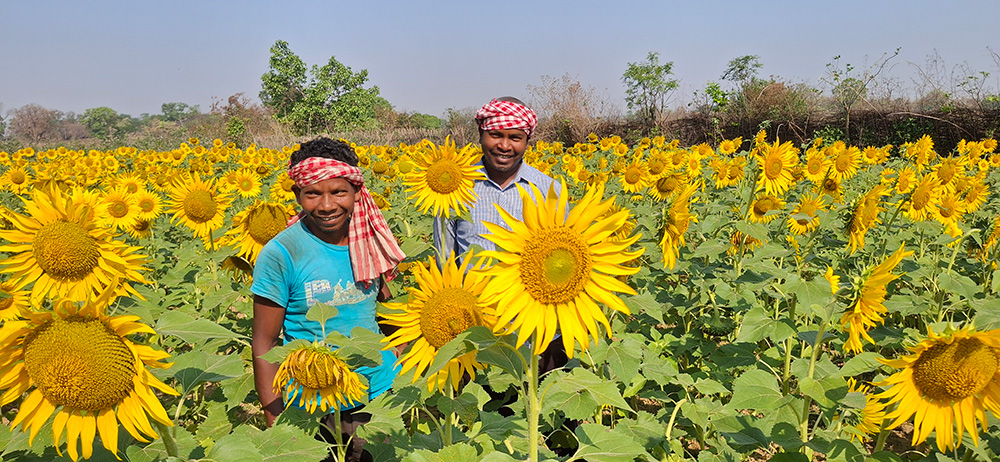
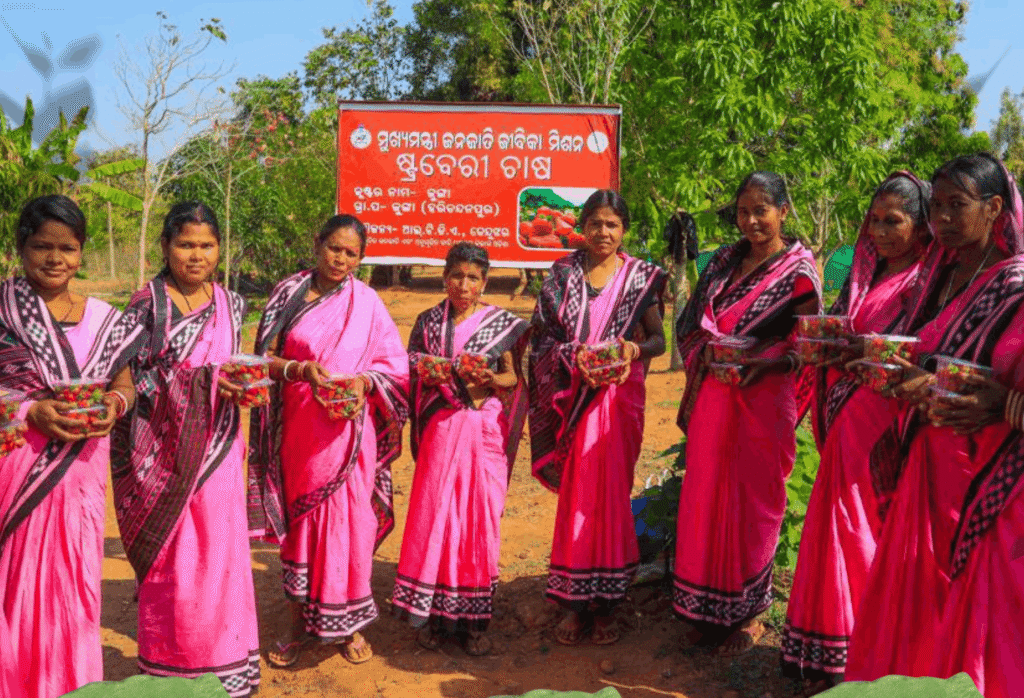
Farm mechanization has further boosted efficiency, with the distribution of 35,000+ quintals of seeds, 275+ pumpsets, 400+ sprayers, and specialized equipment that reduce drudgery and enhance productivity. Innovation has also been central to the mission, with strawberry cultivation introduced in Harichandanpur, opening pathways for high-value horticulture, diversification, and intercropping.
By integrating cultivation, enterprise, and mechanization with training and convergence with financial institutions, MMJJM is scaling self-reliance and economic dignity. The mission strengthens families and grassroots systems, reinforcing every tribal household’s right to sustainable livelihoods. Its convergence model offers a replicable framework for inclusive development, highlighting the power of locally adapted solutions to drive long-term change.
Farm mechanization has further boosted efficiency, with the distribution of 35,000+ quintals of seeds, 275+ pumpsets, 400+ sprayers, and specialized equipment that reduce drudgery and enhance productivity. Innovation has also been central to the mission, with strawberry cultivation introduced in Harichandanpur, opening pathways for high-value horticulture, diversification, and intercropping.
By integrating cultivation, enterprise, and mechanization with training and convergence with financial institutions, MMJJM is scaling self-reliance and economic dignity. The mission strengthens families and grassroots systems, reinforcing every tribal household’s right to sustainable livelihoods. Its convergence model offers a replicable framework for inclusive development, highlighting the power of locally adapted solutions to drive long-term change.
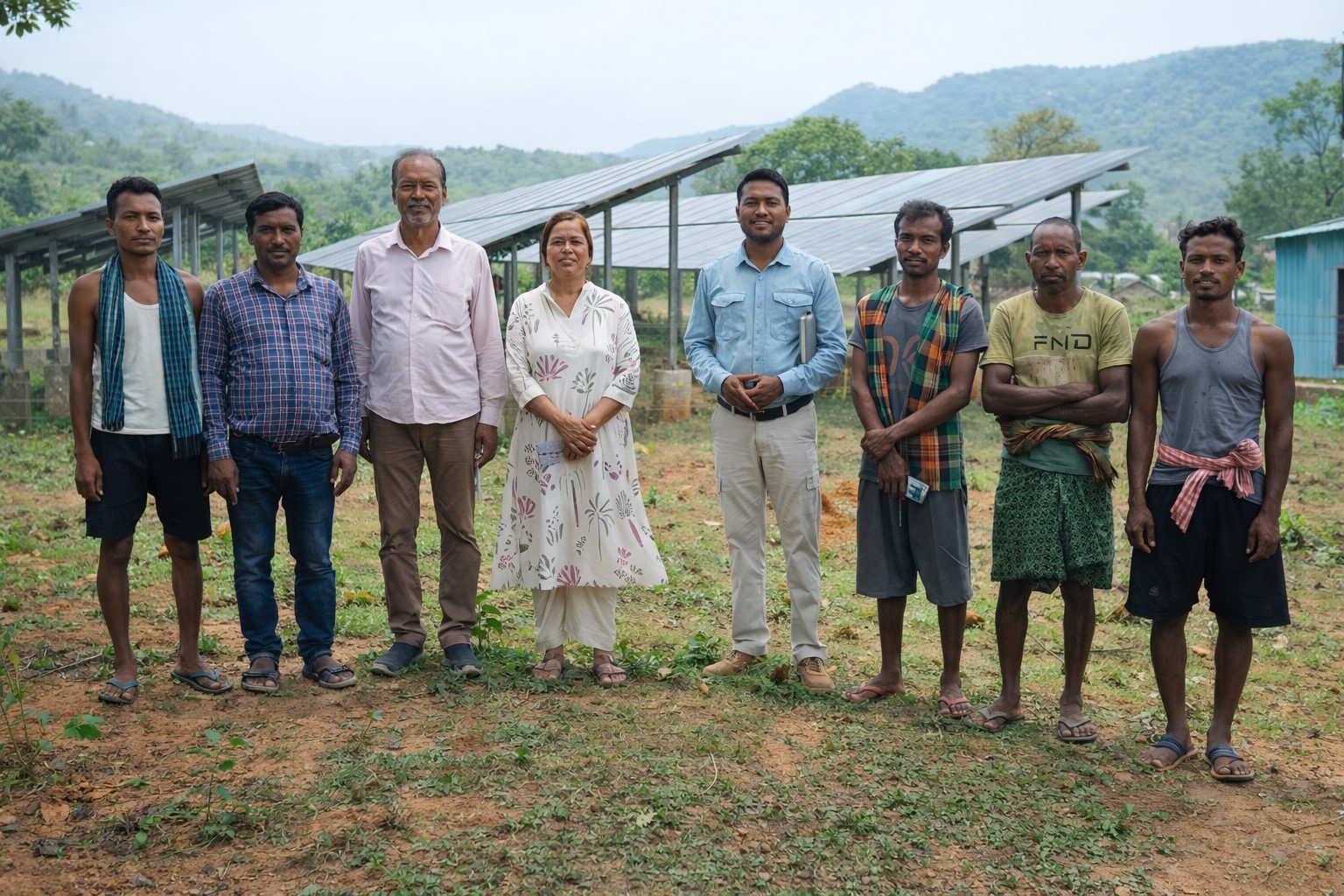
In partnership with Mlinda Charitable Trust (MCT), WOSCA is conducting an Economic Systems Assessment and Resource Mapping across Ranipada, Kanheigola, and Nola villages in Harichandanpur Block, Keonjhar District, Odisha. This initiative explores how local resources, institutions, and energy infrastructure — including the OREDA Mini Grid — can drive sustainable economic growth and enterprise development. Through extensive field consultations, WOSCA is documenting natural and agricultural resources, community infrastructure, market linkages, and social dynamics that shape livelihoods, while also identifying opportunities for the productive use of electricity to help communities leverage renewable energy for small enterprises and improved living standards. The project focuses on livelihood and resource mapping, market and value chain assessment, seasonal and social inclusion analysis, productive use of renewable energy, and strengthening local institutions and governance. Expected outcomes include detailed village profiles for Ranipada, Kanheigola, and Nola, a consolidated Gram Panchayat Economic Systems Summary Report, and actionable insights for energy‑linked livelihood planning. This initiative reinforces WOSCA’s commitment to data‑driven development and climate‑smart livelihood strategies, ensuring that rural communities in Keonjhar move toward a more resilient and inclusive economic future.