
Women’s organisation for Socio-Cultural Awareness (WOSCA)
WOSCA’s pan-India proof that experiential learning can be scaled, sustained and transformative.
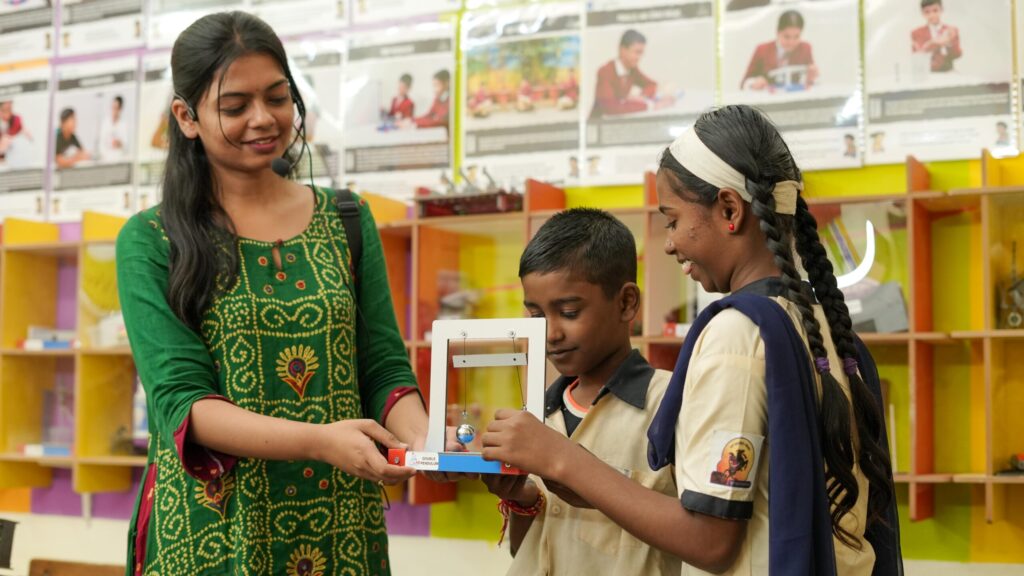
Life-Lab STEAM is WOSCA’s flagship experiential learning initiative that has earned the organisation pan-India recognition by proving that curriculum-aligned, hands-on STEAM education can be scaled affordably and sustained through teacher capacity building and local partnerships. In FY 2024–25 the program reached 271 government schools across Maharashtra, Tamil Nadu, and Haryana, engaging 185,284 children with support from 17 CSR partners, and positioning WOSCA as a national leader in education innovation.
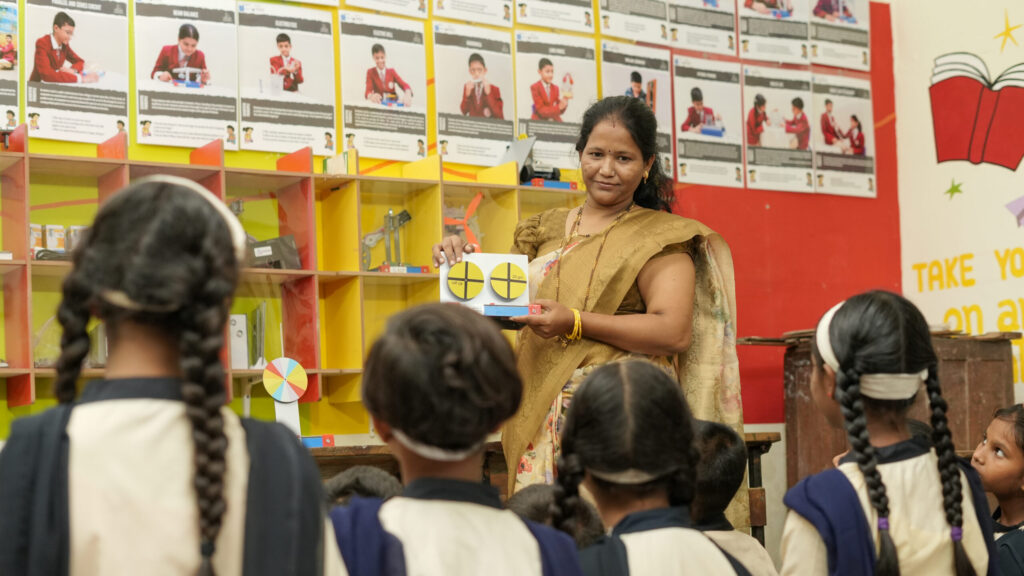
The model translates syllabus outcomes into inquiry-driven learning sequences so students learn by doing: observing, hypothesising, experimenting, recording results, and reflecting. Classrooms are supplied with low-cost STEM kits, over a hundred demonstration models, and simple lab furniture; hub-and-spoke mini-labs host cluster demonstrations and provide resource access for smaller or resource-poor schools.
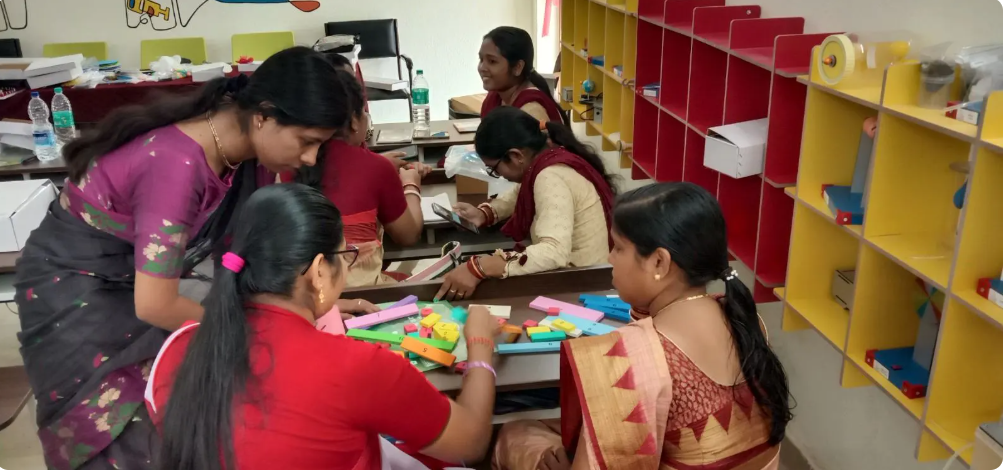
Teacher development is central to sustainability. The Jigyasa Max pathway delivers demonstration lessons, co-teaching, formative assessment techniques, and ongoing mentoring so teachers can design multi-lesson inquiry sequences, track conceptual growth, and mentor peers. Trained teachers become cluster champions and district-level master-trainer candidates, enabling pedagogy to diffuse beyond project schools.
A lightweight digital layer and curated activity guides reinforce classroom practice and support fidelity of implementation. The LIFE App and video demonstrations give teachers ready lesson plans and assessment rubrics, while local DIY replenishment systems and hub inventories keep kits functional and affordable.
Monitoring combines classroom observations, simple learning metrics, and a multi-metric impact framework to capture both quantitative gains and qualitative shifts—curiosity, collaboration, and confidence in problem solving. Early evidence from in-class assessments shows higher student engagement and improved conceptual retention in science and mathematics, and hub schools continue to serve neighbouring schools after initial implementation.
Sustainability and scale strategies focus on converting trained teachers into master trainers, integrating Life-Lab activities into school improvement plans, documenting pre/post learning outcomes to attract government and CSR adoption, and prioritising equity for girls and first-generation learners. WOSCA invites education departments, CSR partners, and local stakeholders to join Life-Lab’s next phase to deepen pedagogy, expand reach, and ensure every child learns with wonder, purpose, and practical skills for the future.