
Women’s organisation for Socio-Cultural Awareness (WOSCA)
Reducing malnutrition and anaemia in Harichandanpur through Poshan Sathis, Quick Response Teams, and community nutrition practices- “Serving 31,000+ households across 444 villages.
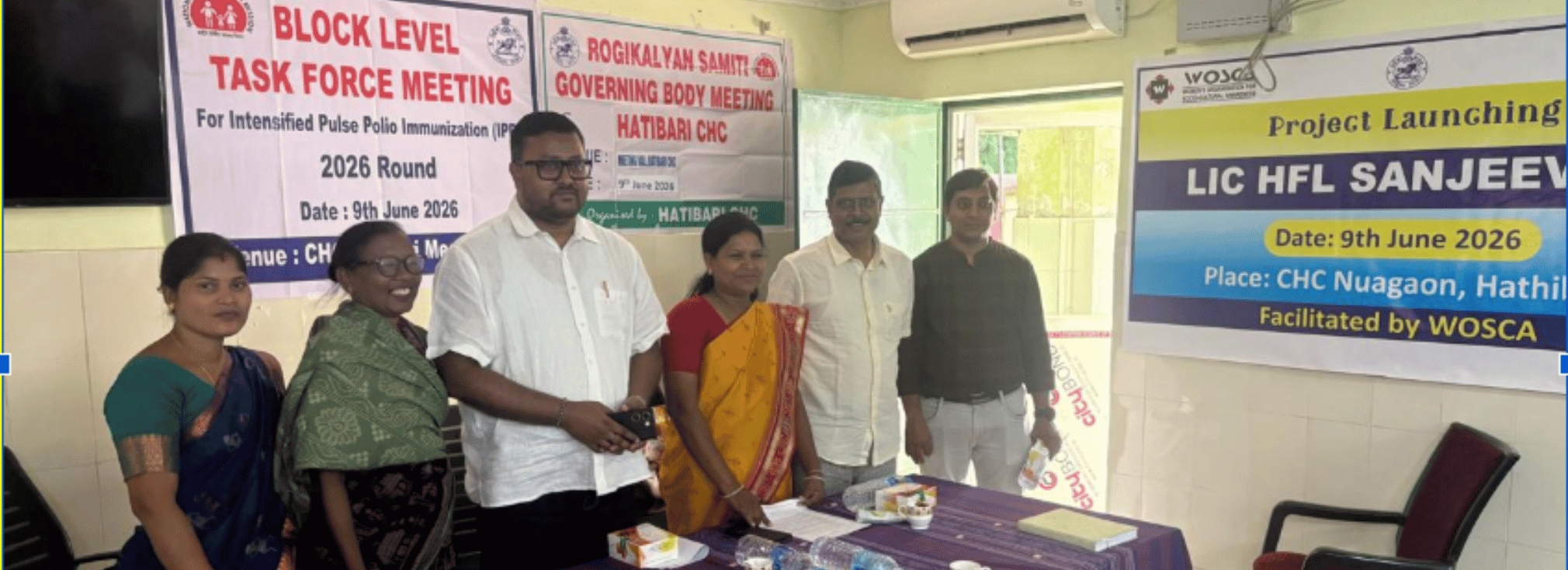
The Nutrition Facilitation Program is a community-rooted effort to end malnutrition and strengthen maternal health in Harichandanpur. Launched in December 2023 in Harichandanpur Block with support from the Azim Premji Foundation, the Nutrition Facilitation Program is a community-rooted initiative to reduce child malnutrition and maternal anaemia. Operating across 444 villages and reaching 31,000+ households, the program combines household outreach, frontline capacity building, rapid referral, and social protection linkages to deliver timely nutrition support and lasting behavior change.
Through Poshan Sathis, Quick Response Teams, and strengthened health worker skills, the program ensures prevention, early detection, and prompt treatment for vulnerable mothers and young children.
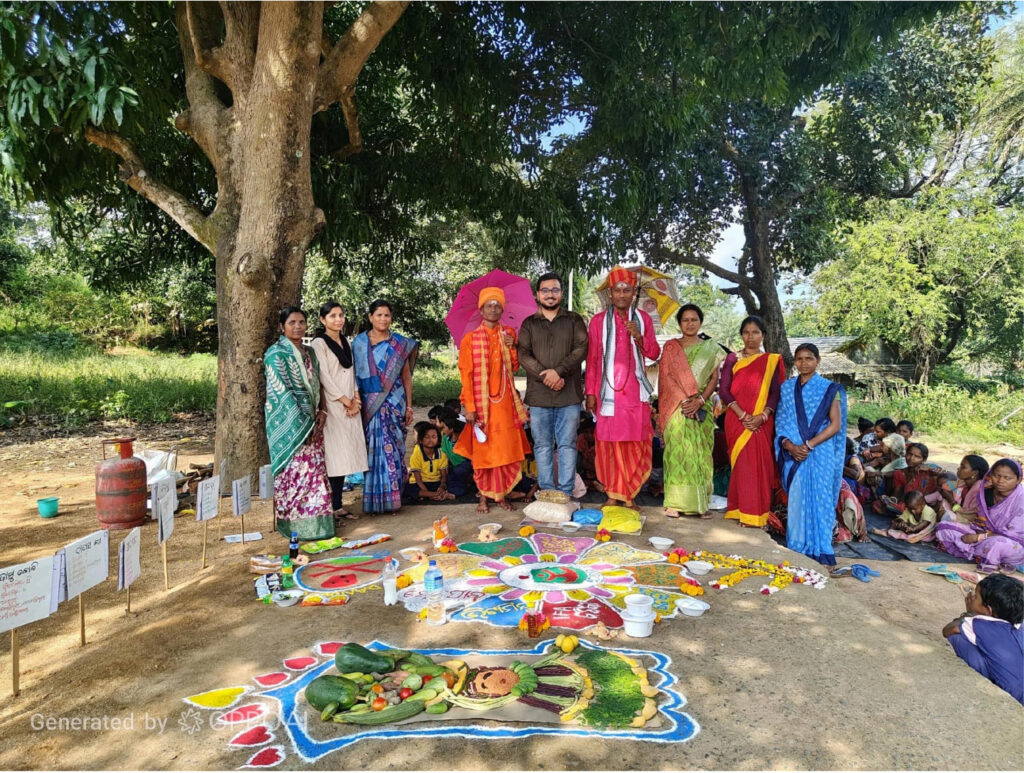
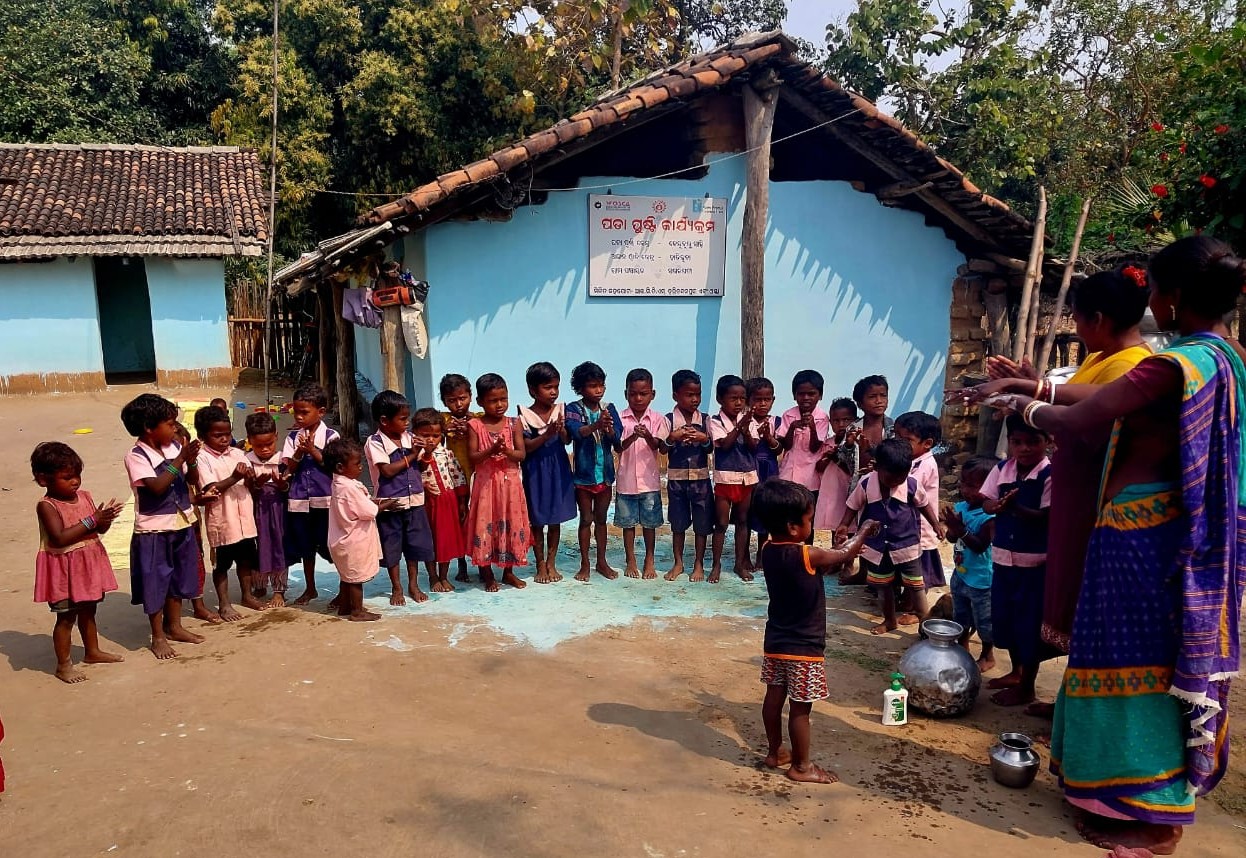
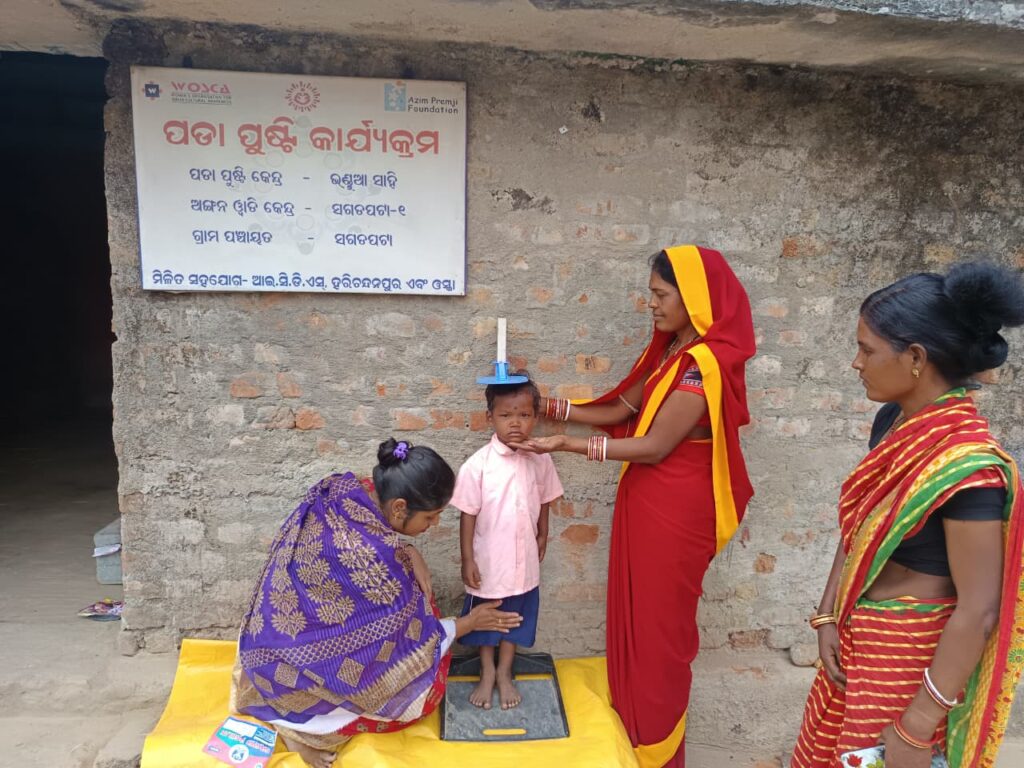
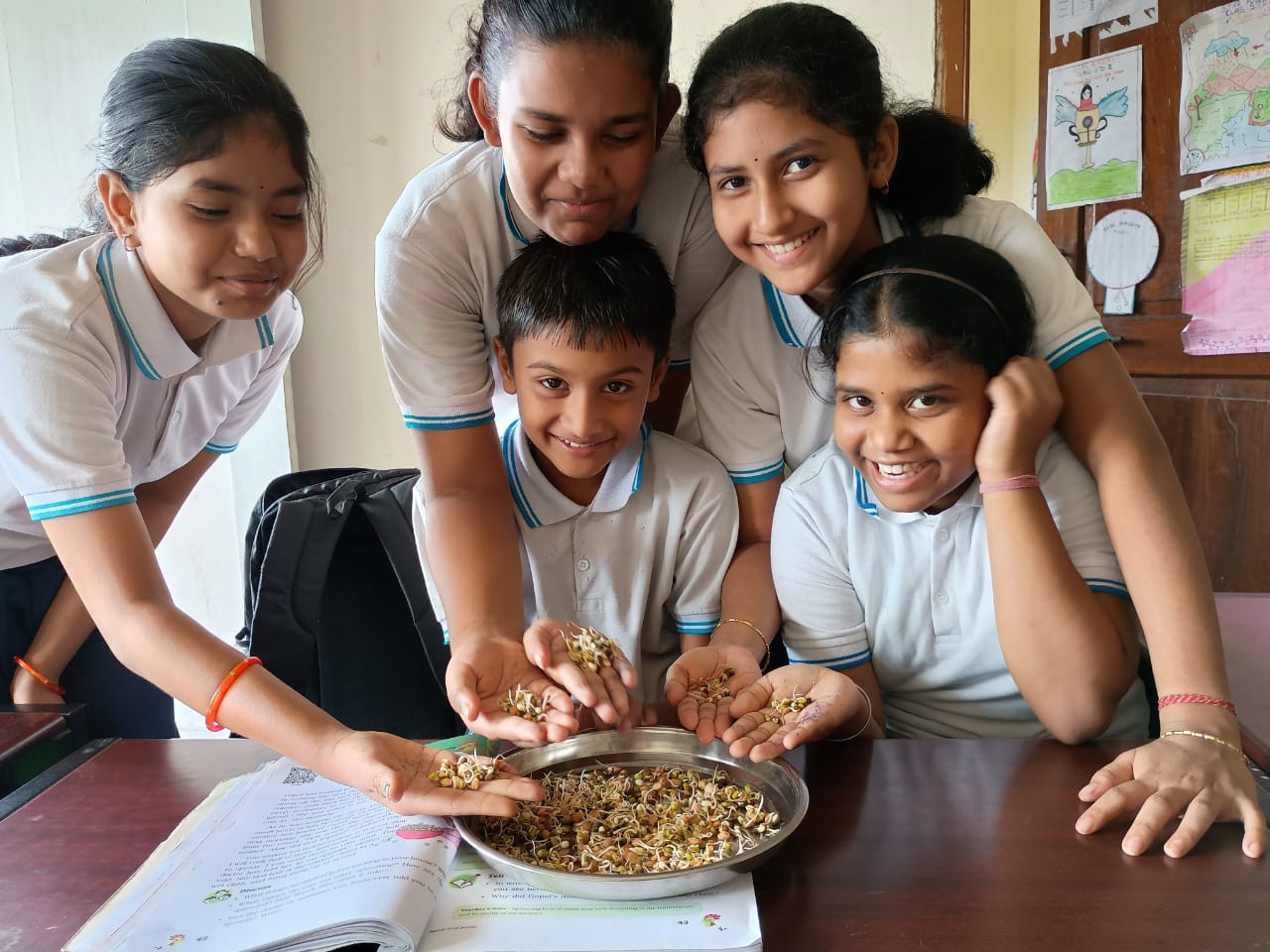
Poshan Sathis visit households to reinforce healthy feeding, dietary diversity, and infant-care practices, turning guidance into daily routines. Frontline staff (ASHAs, AWWs, ANMs) are trained in growth monitoring, nutrition counseling, and SAM/MAM management so screening and early action become routine. A Quick Response Team provides rapid transport and referral for critical cases, linking families to Community Health Centers. Continuous follow-ups and community engagement sustain behavior change and keep families connected to services.
The program improves child nutrition and maternal well-being by combining prevention, early detection, and timely treatment. It strengthens local health systems by building the skills of community and health workers, and it fosters trust between families and care providers. By promoting simple, sustainable practices at home and ensuring rapid access to medical support when needed, the initiative reduces risk and builds confidence in health-seeking behavior.
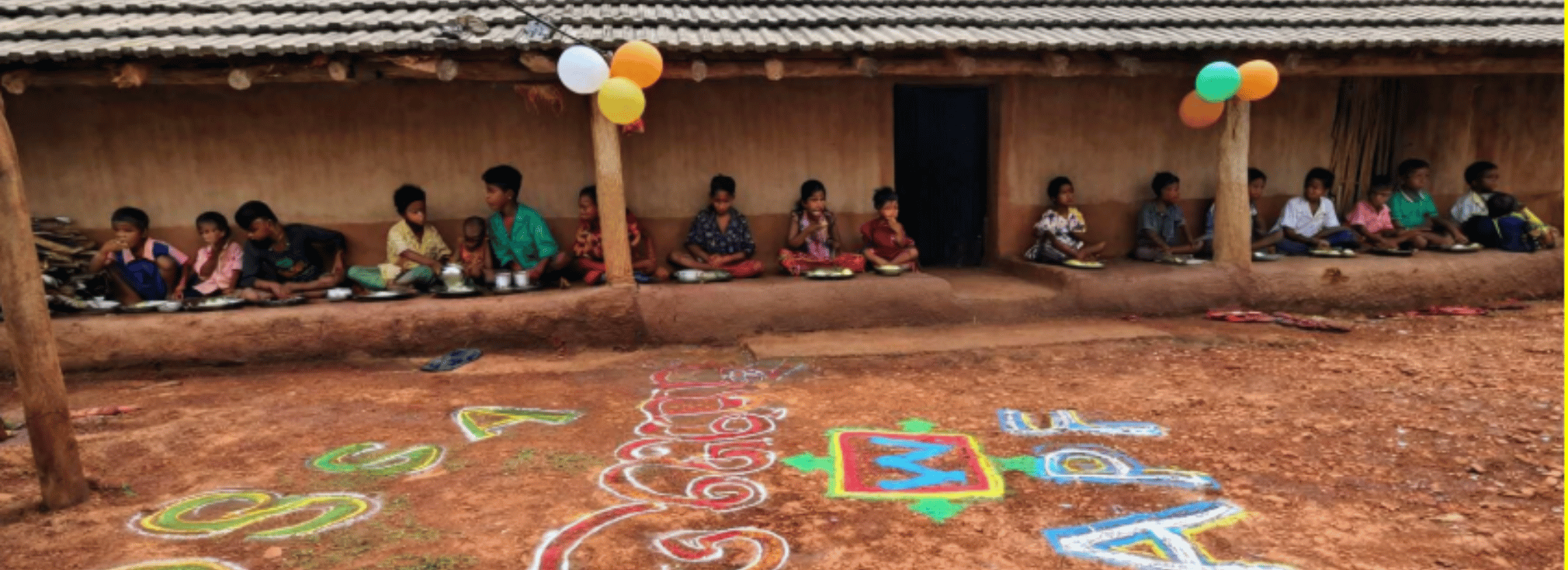
Beyond immediate recovery, the program aims to create resilient communities where children grow well and mothers are supported. It seeks to normalize regular growth checks, informed feeding choices, and swift referral pathways—so that nutrition becomes a foundation for lifelong health rather than a recurring crisis.